

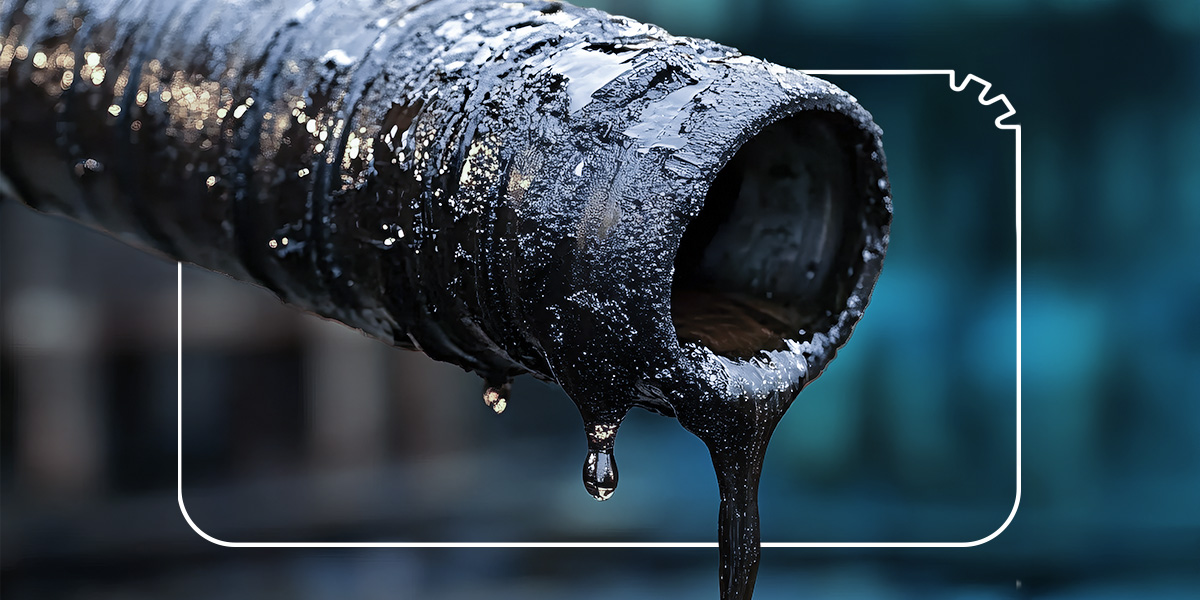
In industrial processing, particularly in CNC workshops, the presence of oil mists is a widely documented phenomenon.
Numerous studies and technical guidelines highlight how prolonged exposure to oil aerosols can have major impacts on the health of operators, the safety of work environments and the efficiency of equipment.
Understanding the nature of oil mists and oily sludge is the first step in adopting truly effective oil mist extraction systems.
What are oil mists and oily sludge?
Oil mists are aerosols consisting of micro droplets of whole oil or emulsion generated during machining operations such as milling, turning and grinding.
When solid residues, metal particles and degraded oils are added to oil mists, so-called oily sludge is formed-a pollutant that is more complex, persistent and difficult to treat than conventional oil mists.
Oily sludge is the result of degradation of the coolant fluid and its contamination with fine metal particles, machining residues and tool wear byproducts.
According to the National Institute for Occupational Safety and Health, these particles can remain suspended in the air for long periods, increasing the risk of exposure to operators.
Oily sludge makes the aerosol denser and more complex to separate from the air.
How does oily sludge form in CNC processes?
The formation of oily sludge is favored by several factors typical of modern manufacturing processes:
- prolonged use of oils and emulsions
- high cooling lubrication pressures
- high process temperatures
- continuous recirculation of the fluid
Over time, the fluid loses chemical and physical stability, accumulates impurities and is aerosolized during processing, increasing the concentration of contaminants in the air.
Health and safety risks of oil mists and sludge
During machining, coolant fluids can become loaded not only with metals, but also with compounds resulting from thermal degradation.
In the case of water-based fluids, biological contaminants such as bacteria and mold can also develop.
Prolonged inhalation of oil mists and sludge may be associated with:
- respiratory and bronchial irritation
- occupational asthma
- possible effects related to the presence of chemical additives
- contact dermatitis and skin sensitization.
In addition to the health aspects, the presence of oily residues also affects the working environment by raising local temperatures, creating slippery surfaces and promoting the accumulation of deposits on machinery and equipment.
Relevant regulations and standards for oil mists
Oil mists are among the chemical hazards regulated by Legislative Decree 81/2008, which requires employers to:
- the assessment of the risk
- the adoption of prevention and protection measures
- the periodic verification of the effectiveness of the interventions
At the European level, the Exposure Limit ValuesProfessional (VLEP) establish the maximum acceptable concentration thresholds in working environments.
In the presence of contaminated fluids, the provisions of Directive 2004/37/EC on the protection of workers from carcinogens or mutagens may also apply.
Compliance with regulations requires the adoption of appropriate capture and filtration systems, as well as periodic monitoring and health surveillance.
Why are dedicated industrial filtration systems necessary?
Not all oil mists have the same characteristics. The presence of oily sludge often renders standard filtration solutions ineffective, requiring technologies designed to handle complex aerosols and high contaminant loads.
Without adequate systems, the risk is rapid clogging of filters, resulting in reduced performance, increased energy consumption and unplanned downtime.
The choice of industrial filtration system must therefore be based not only on the air flow rate to be treated, but also on the composition of the pollutant, the continuity of the process, and the actual operating conditions of the plant.
The role of industrial filtration in modern workshops
Proper management of oil mists and sludge is not just a regulatory or environmental issue, but a key element in:
- ensuring healthier working environments
- protecting machines and equipment
- improving production efficiency
HFiltration has been in the industrial filtration business for years, developing solutions and technologies designed to meet the real needs of CNC workshops and the most complex industrial processes.
Visit our site and learn more about technologies, applications and systems designed to improve air quality in your production processes.
